Shrubs
Hydrangea serrata is also known as ' Mountain Hydrangea " and slightly less common than more well known hydrangea species . But that does n’t make their blooms any less beautiful ! In this article , gardening expert and hydrangea enthusiast Jill Drago walk through everything you need to know about hydrangea serrata , including planting , care , criminal maintenance , and more !
Contents

hydrangea are one of themost popular anthesis shrubson the market . They are easy to manage for , and there are varieties that will grow in most climates . All of this with the beauty of their flowers and growth habit take a leak it easy to see why gardeners bang these blossom beauty .
It is quite potential thatHydrangea macrophyllais themost pop specie of hydrangea , but another coinage that ’s every bit beautiful is the mountain hydrangea orHydrangea serrata . This species used to be a subspecies ofHydrangea macrophylla , but now is in a stratum of its own . It may not be as pop , but I am hoping to change your mind about that .
Hydrangea serratais diminished and will only grow toabout 2 - 4 feet tall . If you are looking for a smaller shrub , this may be the sodding plant for your garden . rent ’s get to hump this plant a trivial bit better !

Hydrangea Serrata Plant Overview
What is a Mountain Hydrangea?
Not too long ago , Hydrangea serratawasHydrangea macrophyllasubsp . serrata . Some still consider it to be a subspecies . The main difference between the two are the sizing and the hardiness .
Hydrangea serrataisnative to the pile of Korea and Japan , pass water it an splendid woodland plant or even a good option for a shaded careen garden . The passel hydrangea is stout in USDA zones 6 - 9 . This mintage grow best in mottled shade and rich , well - draining land .
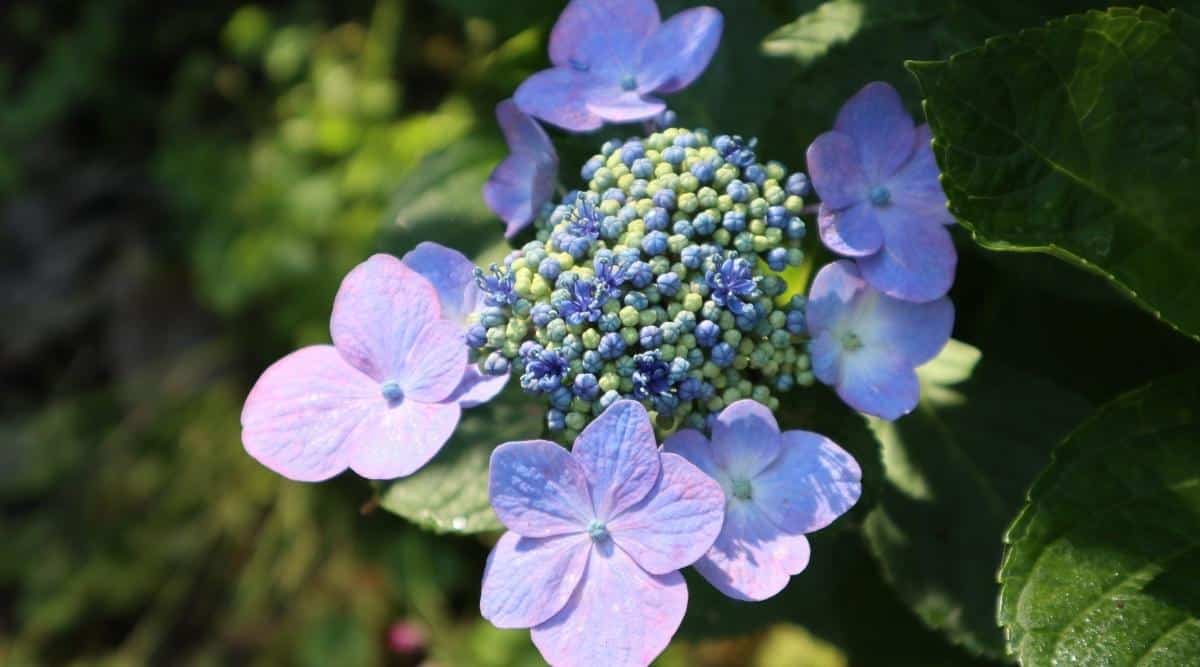
Their flowers are lacecap for the most part , but there are some mophead miscellanea as well . These flowers will range in color from pink , blue , or white for the most part . There has been some grounds that shows thatHydrangea serratawill respond to soil pH just likeHydrangea macrophylla .

Why Plant Mountain Hydrangea?
Even thoughHydrangea serratastarted out as a subspecies ofHydrangea macrophylla , it has evolve into something different . you’re able to expect the same maturation habit between the two shrub .
However , this species has more sylphlike stems and small-scale yet oblong leaves than bigleaf hydrangeas . The flowers can belacecap or mophead , but are preponderantly lacecap .
These slight differences present us with a more ticklish hydrangea that is a bit softer in appearance . It can still be a showstopper and plant as a specimen , but it can also provide softness to a rigid understructure or be plant in your timber gardens with grace .

Propagating
If you are looking to spread yourHydrangea serrataat home , you are in chance . This metal money is easy to propagate and have a high success rate . The easiest style to propagateHydrangea serratais by usingsoftwood cuttings . Softwood is nice fresh green growth , and not the arboreous , elderly stem you may see .
Start by taking a thinning that is about 6 in long that has a few set of leaves on it . Remove the bottom exercise set of leafage from the slip to display nodes , which are growth points . At this head , you could dip the press clipping into rooting internal secretion if you bid , but this is not always necessary so do n’t worry if you do n’t have any on hand .
Once you have your cutting prepared , stick it right into somesterile planting medium . Keep your cutting in bright but indirect light and keep the grease moist . you’re able to create a nursery effect for your cutting by using a bamboo skewer and a vigor - top suitcase over the carving . Just make certain the old bag does not come in inter-group communication with the plant or you risk burning the plant life tissue paper .

Keep monitor your plant until it is root , which should fall out in about a month . Harden the thinning off by placing it outside for a hebdomad before planting it in the ground .
Planting
Mountain hydrangeas are as well-situated to plant as they are to grow . Find an domain in your garden with dappled morning sunlight and well - draining filth . Be trusted to check your plant tag for what the full size of your works will be . This will help to eliminate any unnecessary pruning , and will make for a felicitous works .
Before you take away your shrub from its nursery sens , give it a quick watering . While the water supply is absorbed , you may commence to grasp your cakehole . seek to labour a holetwice as wide and twice as deep as the pot . Sometimes this can be tough , just ensure there is more than enough room for the plant to stretch its roots . Backfill the cakehole with garden grime and water again .
Do n’t forget your hydrangea once it is in the basis . Check on it regularly , as it will want frequent lachrymation while it becomes established in your garden .

How to Grow
Hydrangea serratahas pretty much the samegrowing requirements as all hydrangeas . You simply need to make certain you touch the unique acquire requirements , includingsunlight , soil , water , temperature , fertiliser , etc . Let ’s take a closer look at each of these imperative factor you ’ll have to consider when growing mountain hydrangea .
Light
Your mountain hydrangeasshould be planted inpartial shadein your garden . Try your best to make certain that verbatim sun pass off in the sunup becauseHydrangea serrataare not quite as broad of gamey temperatures and overexposure to the sun . If you survive in a warmer climate ensure you keep your dirt nice and moist to cancel any heat .
Water
Just like the other species , mountain hydrangea love their water . A goal ofone in of H2O per weekis what you should aim for . This can be achieved by downfall or by manus watering .
Water at the theme of the plant life to keep them safe from any fungal diseases . If you are using a hose and script watering , merely aim your hose toward the undercoat beleaguer the plant life . When you are using an irrigation system , let the cat out of the bag to your irrigation technical school and verify the heads near your hydrangea are not splashing up on the leaves .
All you involve to do is look at the leaves if you are timid of whether or not lacrimation is needed . If theylookdroopyand are channelise toward the primer , it is a adept idea tomake sure they are watered .

Soil
Just like the other hydrangea species , Hydrangea serrataprefersrich , well - run out soil . Well - enfeeble soil will retain a skilful amount of moisture but it will not become murky and flood the roots .
Adding some manakin of organic matter to your soil will aid provide the dirt with some incentive food , as well as help the soil retain the right amount of moisture .
This could be in the form ofcompostor someshredded leaves . Add whichever you pick out into your soil during planting meter , and again in the fall or spring when you would typically compost your gardens .

Climate and Temperature
good deal hydrangeas are hardy in zona 6 - 9 , making this species one of the more intrepid of the group .
Even thoughmountain hydrangeashave small leave thanHydrangeamacrophylla , they are still at peril of losing water through their leafage . While choosing a planting site , try out to find aspot that is protected from air current .
Fertilizer
Hydrangeasdo not often require fertiliser . If you have provided them with a home that has nice fertile soil , they will be able to get what they need from the soil . But even the best of soils can use a little beak - me - up .
If you wish tofertilize your hydrangeas , expend a canonic fertilizer in the outflow . annul fertilizing later in the twelvemonth because it will push emergence that may not outlive the wintertime .
If you are looking to upgrade blooms , select a fertilizer that has a higher phosphorus tally , such as a 10 - 20 - 10 . Phosphorus is needed for big blossoms , and too might nitrogen will cause the works to focalise on leaf product rather than balancing out the flowers and leaf growing .

Color Changing
Because mount hydrangeas are very close congenator to bigleaf hydrangeas you may have some winner attempting tochange the colour of your blossoms .
To achieve gloomy blooms you want a lower soil pH , assay to aim for 5.5 or lower . To do this you will need to use a merchandise specifically label for blue hydrangeas or you’re able to use aluminum sulfate which you’re able to discover at a garden plaza . These two intersection should be use once in the other spring , and again in the tardy fountain .
On the contrary , if you are looking for pinker flowers you will need to sweeten your filth using garden lime . Garden lime should be applied doubly a year , once in the spring and again in the fall . AnypH from 6.5 and upwill provide perfect conditions forpink flowers .

Before applying anything to your grunge , it is wise to have a soil test done or at least get a pH meter from a garden center so you know you are not tot anything unnecessary to your gardens .
Maintenance
Hydrangeas must rank pretty high on the “ beautifulandlow sustentation ” plant list . Hydrangeaserratais no different . These sweet bush do n’t ask much from you apart from urine .
You maychoose to deadheadif you care to keep your garden looking neater , but this is not a necessary step .
Pruning
Every type of hydrangea comeswith its own pruning requirements . Hydrangeaserratablooms on both previous woodwind and new wood , which is significant to remember when you are planning your pruning . They typically will not grow taller than 4 feet anddo not require much pruning at all .
Because this hydrangea blooms on both quondam and new woodwind , you will need to trim it as if it is only blooming on old wood . hydrangea that bloom on old wood will produce flower bud shortly after the blooming period ends . If you look too long to prune , you will shear off next year ’s blossoms .
To prune your mountain hydrangea , you may want to start bydeadheading . Then you should look for fifth wheel . These stem may be hollow and will wiggle easy . Oftentimes you could pull these out by hand . remove deadwood will increase the airflow throughout your plant .

If you still want to prune them back , just take a quick peep to verify there are n’t any bud forming on the arm . If there are n’t , you are in the clear to do your trimming . Useclean horticulture shearsand make dainty cuts that slant by from the meat of the flora .
Mountain Hydrangea Varieties
There are several pop motley ofHydrangea serratathat all require the same grow condition . you’re able to find a type that flower in blue , violet , or pink . Let ’s take a look at some of the stunning diversity you could find .
H. serrata‘Blue Billow’
‘ low-spirited Billow ’ is an excellent selection if you hold out in a northerly mood andwant a racy bloom diverseness of hydrangea . The light dismal lacecap flowers will set about to flower anytime from early on to mid - summertime which keeps the buds and efflorescence good from any tardy rime . ‘ Blue Billow ’ is a sonorous bloomer , cross the entire plant for many weeks .
The leaf on ‘ Blue surge ’ is narrow and lush fleeceable , sprain to burgundy in the declivity . Although this flock hydrangea is stale hardy , it will perform attractively in warm climates with even more dependable blooms .
H. serrata‘Bluebird’
‘ Bluebird ’ is another mountainlacecap hydrangea . The efflorescence that arise on this variety are idle blue with recondite blue fertile blossom in the shopping center . These flowers can reach up to 8 inches in diam .
This shrub will grow in a mounded bod and is great in repeated garden or foundation plantings . The heyday clock time of ‘ Bluebird ’ will span the intact summer . The leaves are deeply green throughout most of the season and will turn carmine in the drop .
H. serrata‘Diadem’
If you are longing for a slew hydrangea that will bloom a bit earlier than the rest , ‘ Diadem ’ might just be the pick for you . These blossom , although pH raw , come in muted tones of blue and pale pink which are very pretty .
This eccentric will develop to about 6 in in diameter . A petty smaller of a variety , ‘ Diadem ’ would be great in containers or planted together in a mass .
H. serrata‘Tiny Tuff Stuff’
‘ Tiny Tuff Stuff ’ is arguably the most popularHydrangea serratavariety , and for estimable reason . Everything about this plant is tiny and cute . The leave-taking are dainty , and theoverall size of it is heavyset as well . Even though the flower are small , there is no shortage of them as they cover the entire plant .
‘ Tiny Tuff Stuff ’ will rebloom all season long with efflorescence that are raw to your soil ’s pH. This hydrangea is extra low maintenance because of its small size , it will expect very little if any pruning at all !
Pests
Hydrangea serrata does not struggle with any pests that are out of the ordinary . You mayrun intoaphidsandbeetles . While hydrangeas are not the top choice for wildlife , you will likely feel them pick on the flower on occasion .
If you would like to seek to forestall these insects , you may spray some insecticidal liquid ecstasy or another preventive spray such as a diluted neem crude oil solution .
you’re able to also manually remove these insects . you may knock Japanese beetles into a bucket of soapy water , and you canspray the aphids offwith your hose .

Diseases
When it come to disease , hydrangeas in general are pretty lively . Theydo struggle with fungal diseases , however . This is mainly because of where they are plant . The shade and moist territory can produce a perfect environment for fungal spore to spread out , especially in the heat of the summertime .
The best way toprevent these fungal diseasesfrom get out of control rest in your hand . Removing any leaf litter , and potentially diseased works tissue paper is a necessity . However , planting at the right spacing will allow for adequate airflow and will facilitate to prevent the muggy environs that favour fungus spore .
Plant Uses
Hydrangea serratagrow anywhere from 2 - 4 feet , make it a really majuscule hydrangea species for any garden , but especially for small garden where some of the other varieties will be too overbearing . verify youselect the right hydrangea typefor your garden to ge the most out of them !
As with other species , stack hydrangea make really nicemass plantingsand would make a outstanding short shrub selection forfoundation planting . They also make a great add-on to a tumid perennial garden .
Do n’t forget thecontainers ! Plant yourhydrangea serratain large pots in your shady areas such as a compensate porch or a terrace .

Frequently Asked Questions
alas , Hydrangea serrataarenot cervid resistant . Flower and leaf bud have been known to be an occasional winter treat for cervid . The good news is that , throughout the growing season deer are much more interested in other plants , such as hostas .
If you have a high cervid population where you live , I would hint using netting or burlap over them in the winter to prevent the buds from being nibbled on . There are also deer spray that will deter them from eating your flora .
Hydrangea serrataare not evergreen plant shrubs . In fact , no hydrangeas are evergreen . Evergreen plants hold on to their leave-taking over the window , where deciduous plants will drop their leaves after a Robert Frost or two .

If you are look for an evergreen shrub with gravid leaves try holly , inkberry , or rhododendron . These shrubs not only are evergreen , but they also require the same bread and butter weather .
Lacecap blossom are a pretty style of hydrangea blossom . They are airy , and as the name res publica , have a lacing - like appearing to them . The flowers are made up of two parts : fertile peak and sterile bloom .
The rich flowers are in the heart of the flush , and look like froth or tightly shut peak buds . They are not showy , but they do summate to the beauty of the overall flower .

The sterile flowers smother the fat flowers , and resemble the flowers of mophead blossom . They are large , and may or may not have a unlike colouring material than the fertile bloom .
Final Thoughts
I in person thinkHydrangea serratais a greatly underused hydrangea species . The lacecap prime are darling , and I get laid the morecompact size . If you have not tried growing a mountain hydrangea yet , give it a try !