Birch treesare a ubiquitous stack in the Maine landscape . These Tree are acknowledge for their move white barque , which peels off in thin , papery layers . They can be found in a variety of habitat , from wetlands to upland forests , and are an important part of the state ’s ecosystem .
Maine ’s birch Sir Herbert Beerbohm Tree are not only visually stunning , but they also play a crucial role in supporting local wildlife . The barque of the birch tree tree provides an important germ of nutrient for a form of animals , admit Alces alces , cervid , and snowshoe hare . In addition , the tree ’s foliage are a favorite nutrient of caterpillars , which in turn provide sustenance for birds and other louse - eating creature .
Despite their importance , birch tree in Maineface a issue of challenge . Climate alteration , trespassing species , and development all threaten the wellness and well - being of these iconic trees . It is important to understand the role that birch trees play in Maine ’s landscape and to work to protect them for future generations to enjoy .

Biology and Species of Maine’s Birch Trees
Identifying Birch Species in Maine
Maine is abode to several species of birch tree diagram , including the newspaper birch rod ( Betula papyrifera ) , yellowed birch ( Betula alleghaniensis ) , white birch ( Betula populifolia ) , gray birch tree ( Betula cordifolia ) , black birch ( Betula lenta ) , and unfermented birch ( Betula lenta ) . These birch tree trees can be identified by their unique physical characteristics such as their leaves , bark , flowers , and yield .
Physical Characteristics of Birch Trees
Birch trees aredeciduous treeswith unsubdivided , alternative leaves that are typically triangular or ovate in shape . The leaves of birch tree are typically serrate and have a pointed tip . Birch trees have a distinctive barque that varies in color from white to grey to melanise . Most birch trees have a bloodless bark that peels off in thin , papery layers , revealing dark lenticels underneath .
Birch trees produce flowers in the shape of catkin , which are foresighted , cylindric clusters of small flowers . These peak are typically greenish - yellow in color and appear in the spring . birch tree trees also get yield in the human body of nutlet or fly seeds that are dispersed by the wind .
Overall , Maine ’s birch tree are an important part of the state ’s ecosystem and provide both aesthetic and ecological benefits . Their unequaled physical characteristics make them easy to identify and appreciate , and their role in the food World Wide Web and carbon round make them an authoritative coinage to protect and keep up .

Habitat and Growing Conditions
Soil and Sunlight Requirements
Birch trees in Maine prefer moist soil that is well - debilitate and slimly acidic . Theygrow bestin full sun , but can also brook partial specter . birch rod trees have shallow roots , so they require coherent tearing during drought periods to prevent accent and damage .
Maine’s Climate and Birch Tree Distribution
Maine ’s climate falls into the USDA hardiness zones 3b to 6a , with the northerly regions being stale . birch rod trees are able to arise in a variety of fix in Maine , includingforests , commons , gardens , and landscapes . They are native to the easterly North America region and can be found throughout Maine .
According to the Maine State Map , birch tree are distributed across the state , with the highest concentration in the northern and eastern regions . They are an important constituent of the land ’s natural landscape painting and are often used inlandscapingdue to their attractive barque and leaf .
Cultural and Historical Significance
Birch Trees in Native American Culture
Birch trees have played an important role in the culture and traditions of the Wabanaki people , who have inhabited Maine for one thousand of days . The Wabanaki masses used the bark of the birch rod tree to produce a variety of objects , let in canoe , basketball hoop , and even clothing . The barque was also used for medicative intent , as it contain compounds that have anti - rabble-rousing and pain - relieving properties .
The birch bark canoe was a particularly important creation , as it permit the Wabanaki people to pilot the river and lakes of Maine with ease . These canoe were lightweight , long-lasting , and could be easily repaired by replacing damaged sections of barque . The Wabanaki citizenry also used birch barque to create shelters , which were known as wigwams .
Uses of Birch in Maine’s History
other settlers in Maine chop-chop recognized the value of birch Tree , and began using them for a potpourri of purposes . Birch Natalie Wood was used to create furniture , coldcock , and turn products such as bowl and utensils . The barque was also used to make paper , as it contains a high concentration of cellulose .
In the early twentieth century , the pulp and paper industry became a major economic force in Maine . Birch Sir Herbert Beerbohm Tree were harvest for their pulp , which was used to create paper products such as newspaper , magazine , and books . Today , the flesh and paper industry remains an important part of Maine ’s saving .
Birch Sir Herbert Beerbohm Tree have also been used for more everyday purposes , such as firewood , toothpick , and clothespin . Birch syrup , which is made by tapping the trees in a similar way to maple syrup , has become a pop local product in late years .
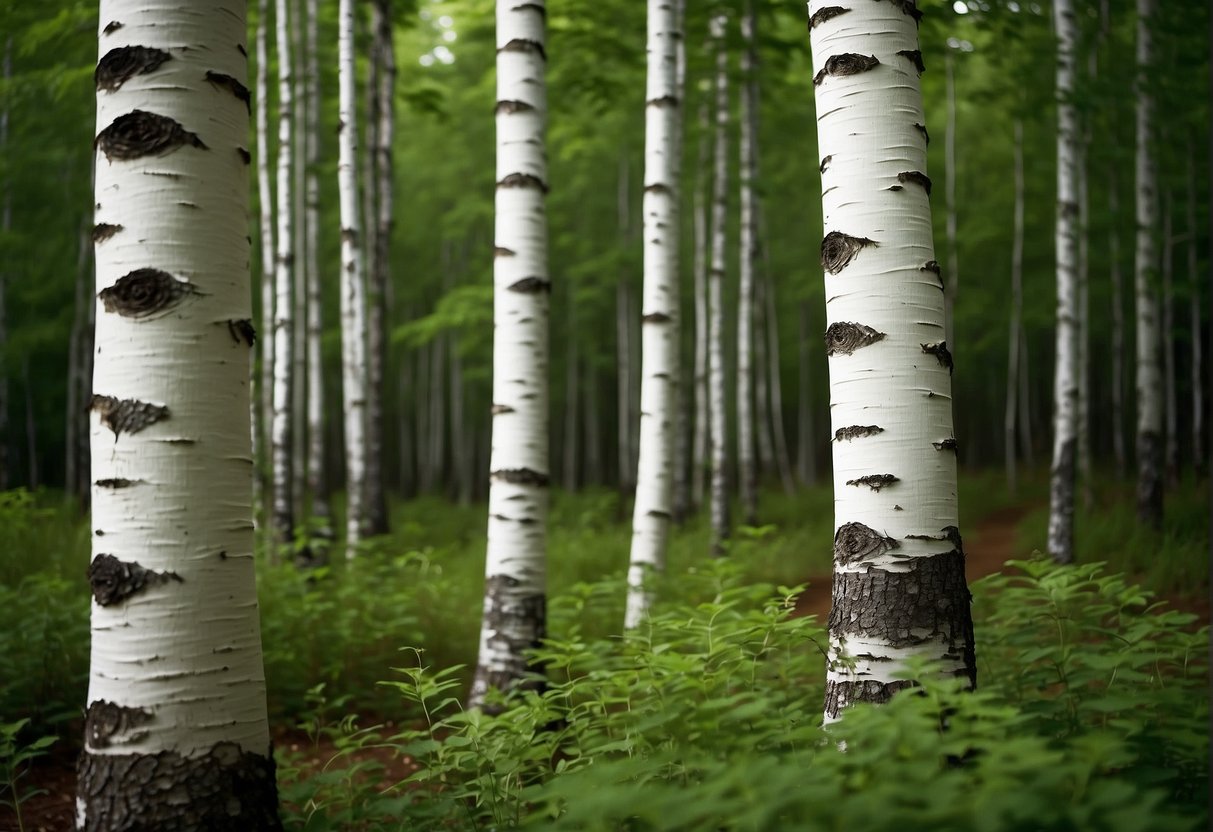
Overall , the cultural and historic significance of birch trees in Maine can not be overstated . From their important office in the tradition of the Wabanaki citizenry , to their use in the former days of colonisation , to their continued importance in the state of matter ’s economic system , birch tree trees have playact a full of life function in Maine ’s story and culture .
Conservation and Challenges
Threats to Birch Tree Populations
Birch trees are susceptible to various disease and pest that can importantly impact their populations . One of the most meaning threats is the bronze birch tree borer , a beetle that burrows into the tree ’s bark and disrupt the catamenia of water and food . Other pestilence , such as the birch leafminer and aphid , can also do damage . In plus , birch tree trees are vulnerable to fungal diseases , including birch rod dieback and leafage spot .
Best Practices for Birch Tree Care
To preserve birch tree populations , it is all important to take right charge of them . The following are some good practices for birch tree forethought :
By following these best practices , individuals and communities can help conserve birch tree tree diagram population and ensure their health and length of service .


