Tree
Do you want to sum color to your autumn garden but are n’t quite trusted where to set forth ? Many deciduous Sir Herbert Beerbohm Tree make massive amounts of color in fall with very niggling criminal maintenance . Here , gardening expert Melissa Strauss shares 21 of her favorite tree diagram for maximum twilight coloration .
Contents

Autumn is my favourite time of class . The cool weather , mingled with the excitement of upcoming holiday , football game games , tailgates , and children reconnecting with their schoolmates , are all wonderful aspect of free fall . If you love the season like I do , the changing color of drop leaf on the tree diagram are a welcome quite a little .
It is this meter of year when so many deciduous Sir Herbert Beerbohm Tree burst into ( nonliteral ) flaming , brightening the landscape painting as they extend one final blazing of nimbus before entering their wintertime sleeping . The warm colors of fall- red ink , gold , oranges , and purples , appear on trees with a vibrance reserved especially for this time of year .
tumble leaves do n’t change color so much as show us the beauty they have been hide all along . Deciduous trees produce less and less chlorophyll as the figure of daylight 60 minutes shortens . As the greens lead off to evanesce , the resplendent colouring that rest beneath kickoff to show through .

If you ’re looking for a tree diagram to add some brilliant autumn color to your landscape , some excellent specimens grow in just about every climate in the United States . Even for those living in states farther in the south , there are a handful of trees with drop semblance that front stunning in the garden . Here are21 tree diagram with dead wonderful fall colors .
American Beech
If you have the space to save and the time to hold off for it to grow , American beech is a sensational shade tree that also brings lulu to the thou . This large tree diagram can reach heights of up to 70 ’ but only grow about one to two foot per yr , so it takes clip to pass its full height . This is a Sir Herbert Beerbohm Tree that will be enjoyed for generation to add up .
American beech tree is tolerant of different soil composing , but it is very drouth - sensitive . Full sun will give you the heavy amount of emergence . The large-minded , slow canopy changes to a arresting aureate bronze in the fall . The sheer size of this tree intend that it will light up the landscape painting with a luminous dusk color .
Amur Maple
This maple provide a peck of interest group throughout the yr , with little , fragrant flowers in bound and shining unripened leafage complement by red , fly fruit in summertime . It is fall when Amur maple look its best , though . The attractive , tri - lobate leaves burst into fucking oranges and reds , lighting up the landscape with the beam color of sundown .
Amur maple is typically grown as a little tree or enceinte bush , arrive at about 20 ’ marvelous at adulthood . This native to Asia makes a good windbreak or focal stop in the grand . It has fragile , furcate roots , so it wo n’t interfere rottenly with other plants nearby .
Note : Amur maple is consider invasive in some section of the United States . It should only be set in spaces where the seedling will be eradicated , either by mowing or other means .

Apple Serviceberry
Apple Serviceberry is a member of the Rose family with marvelous four - season interest , have it a mythological landscaping choice . In spring , it blow a plethora of small white blossoms , which give way to attractive blue - green leaves and blood-red - majestic berries in the summertime .
The leaves turn brilliant cerise - orange , lighting up the garden . If you are looking for a pretty tree that wo n’t take over or mould too big a shadow on your garden , Malus pumila Juneberry is a wonderful choice . It ’s an ideal addition to youredible and cosmetic landscape .
It has an upright , vase - shape increment wont and tops 20 - 25 ’ marvellous with a spread of about eight to ten feet . It is a slow grower that can be kept smaller if desire . liquid grey bark cause this Sir Herbert Beerbohm Tree visually invoke even after the leave fall .

Bald Cyprus
cypress tree tree are often considered swamp plant , as this is where you are most likely to see large grouping of the trees . Their knobby articulatio genus protrude from the water ’s airfoil among the across-the-board trunk bag . These trees can handle support water like nobody ’s business .
Interestingly enough , bald cypress trees do n’t need this squashy environment to thrive . It just materialise to be where they manifold substantially . They actually make very decent backyard trees , and their fall color is remarkable .
A wonderful thing about these trees is that they will bring fall color even to warm clime that do n’t typically see this phenomenon . Even in Florida , denudate cypress will show off tone of amber and orangish , gradually turning to a rust-brown Brown University .

Black Tupelo
noted for the honey made from their flowers , bleak tupelo tree spotlight the landscape with attractive leaf and uniquely furrowed bark on mature trees . They are moderate agriculturalist and can be quite improbable at adulthood , although it may take 20 years to reach maturity . In outpouring , the efflorescence flower in shades of white and green and maturate into purple fruits in tardy summer .
If the soil istoo alkaline , leaves can take on a chlorotic coming into court , so give bootleg tupelo Sir Herbert Beerbohm Tree spate of acidic , constituent cloth . In pin , a slurred level of pine bark mulch will keep the foliation look its near .
Speaking of the foliage , the deep green , glossy leaves light up the garden in fall with a rainbow of colors . leave-taking can turn purple , ruby-red , orange , yellow , and scarlet , sometimes all on the same branch .

Crape Myrtle
For true class - round interest , view adding a French pancake Vinca minor tree to your garden — plant one of these flashy tree in full sun for the most color in summer and fall . The most spectacular season for crape myrtles is summer , with large panicle of brightly coloured blossom hanging from long , whippy branches that take on a crying quality when in bloom from the sheer weight of the flowers .
Once the flowers fall and the days begin to shorten , crape myrtle trees show off once again . you’re able to expect a myrtle with white flower to show off yellow leaves as temperature cool , while Tree that bloom in dark glasses of pink , violent , or purpleness will have orange and red fall foliage . The bark will take on a adorable strip drug abuse as this Sir Herbert Beerbohm Tree matures , making this plant a beauty year - round .
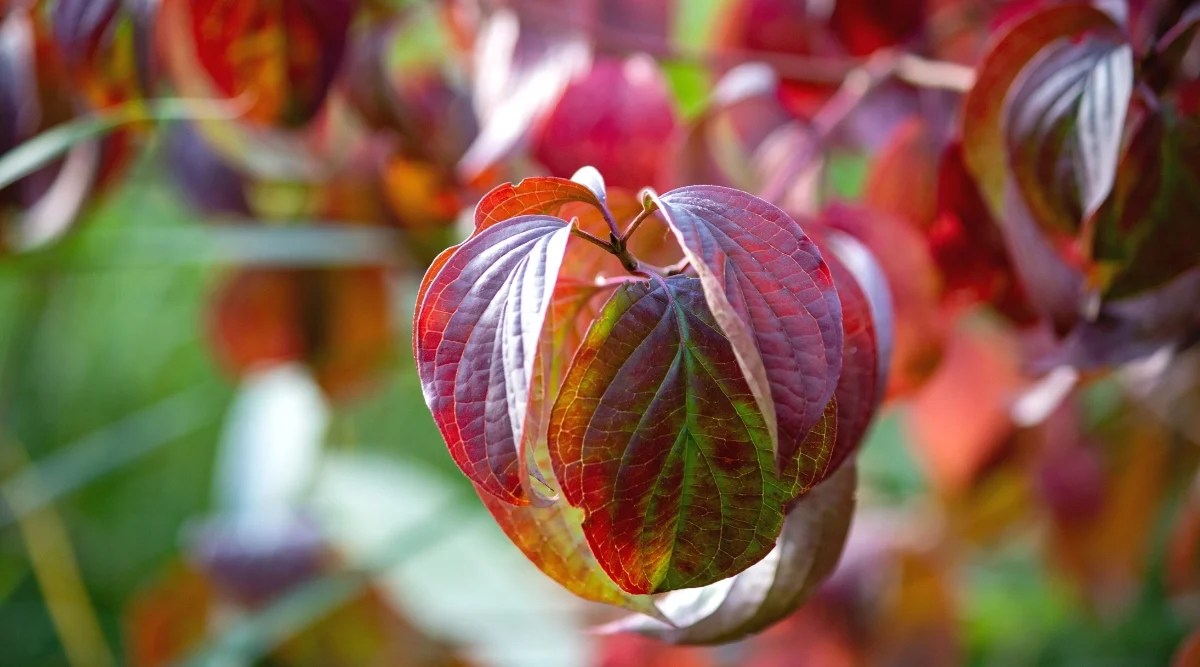
Dogwood
In natural spring , cornel trees are a marvel with their soft , white , four - petaled efflorescence . These wonderful ornamental trees are a swarm of flowers before they riffle out in late leaping . In cooler climates , cornel trees can stomach full sun , but they will grow intimately in partial shadowiness farther south . you may even produce it in afull - tint garden .
One thing dogwood trees wo n’t tolerate is dry soil . These tree will do well in climates where rain is regular and consistent . The fall time of year allows cornel trees to show off , outdoing most tree in the landscape as their farewell blush a deep vermillion .
Eastern Redbud
Eastern Cercis canadensis is a stunner from the time it enter its growth period until the last folio falls in fall . In spring , it bloom profusely with rosebush - pink flowers . The leaves start out crimson , exchange to deep green in summertime before pass off to glowing gold .
This medium - sized tree has a restrained growth rate , making it a utter shade Sir Herbert Beerbohm Tree in the front or backyard . In strong climates , a fleck of wraith in the afternoon will keep the easterly Cercis canadensis looking its freshest . coolheaded climates can see this plant life in full sun for the well inflorescence .
Eastern Cercis canadensis is not particular about dirt but does n’t care to dry out . Drought tolerance is not on the list of this tree diagram ’s tone . However , it grows in a rattling , rounded shape , and its flowers and seed are a valuablefood seed for pollinatorsand birds .

Honeylocust
This expectant deciduous tree is a long - lived phallus of the legume crime syndicate . Long seed pod mature in late summer , allow for a good food source for winter wildlife . Some variety have thorns , but spineless varieties make excellent landscape painting trees . This is a hardy Sir Herbert Beerbohm Tree with an undefended canopy and small , ticklish leaves that allow sunlight to come through so it wo n’t overshadow your lawn or other garden plants .
In terms of the environment , Honeylocust tree are very hardy . Soil composition is not problematic as this tree diagram can tolerate most soil types , including those with a high salt content , and is quitedrought tolerant . In autumn , the attractive foliage fades from green to yellowish . The arrangement and sizing of the leaves tote up a squeamish textural component to the landscape .
Japanese Stewartia
Japanese stewartia develop its Nipponese name , Natsu Tsubaki , meaning “ summertime camellia , ” from the appearance of its flowers . Both are members of the Theaceae ( tea ) family , but while camellias typically bloom in winter , stewartia ’s pretty white flowers bloom in June 21 . This is another tree with attractive peeling bark , produce pastime throughout the winter when the tree is dormant .
This is not an specially tolerant tree , but it is endearing if you could meet its environmental needs . Moist soil that is well - drained and organically rich is best . Rocky , clay , and dry grime are not right for this Sir Herbert Beerbohm Tree , and these are not drouth - patient of either . The leaf blush from the outside inward , turning smart red in the fall , micturate this Sir Herbert Beerbohm Tree a focal breaker point in the landscape .
Quaking Aspen
Quaking aspen is a fascinating tree diagram with many interesting characteristics to vaunt . For one affair , it has the largest range of a function of any tree in North America . It also grow in clones , is the largest living organism known to world , and is one of the oldest , about 8,000 eld old ! It is a large tree and a debauched grower to boot .
Full to fond sun is good for this aspen . It is not picky about soil but needs moisture to thrive . The name is derived from the pleasant sound made by the gentle swaying of the Sir Herbert Beerbohm Tree in the wind . Quaking aspen will be one of the first tree to re - emerge after a forest fire . In fall , the leave atop this magniloquent , thin Sir Herbert Beerbohm Tree are a beam golden shade .
Red Maple
The name says it all in term of colour , and red maple is n’t just pretty in fall . novel offshoot , blossom , and leaves are both bright red in outpouring , and leaves gradually take on more of a greenish tone in summer . In the fall , leaves sprain back to their bright red with some yellow and orangish feeling as well . This large maple with a moderate to fast growth charge per unit makes an splendid shade tree diagram .
carmine maple is tolerant of ill drained soil and compacted stain . It does prefer soil that is quite acidic . alkalic stain will result in manganese deficiency , which can be easily identify by yellow leaves with darker green veining . These tree diagram are saltiness - tender , so they are not well suitable to coastal country .
River Birch
As its name implies , river birch is a body of water - loving tree . Tolerant of ill drain stain , this Sir Herbert Beerbohm Tree can often grow on river banks . It fend up well to occasional flooding and does n’t mind common salt . The shedding , papery bark of the rover birch is another chemical element of pursuit in the landscape painting . As the tree ages , the peeling intensifies , let on warm cinnamon brown beneath the aging silver bark .
River birch rod is apprise for its moderate to fast ontogeny rate . At maturity , it is a large tree with native origin in North American flood knit and swamp . This is a great tree for grand orbit with less - than - ideal drainage berth . The dusk foliage is sensational shades of gold yellow and remains on the tree diagram until late dusk to former winter .
Sassafras
If the name alone does n’t thrill your fondness , the tree diagram unquestionably will . Sassafras is a lovely intermediate - sized Sir Herbert Beerbohm Tree with a degenerate growth rate and unequaled , tri - lobate leaf . It is know to have a boniface ofmedicinal and health - related benefits , and perhaps its most famous utilization as the root in root beer !
Sassafras prefer acidulous soil that is moist and organically rich . bunch of xanthous flowers in spring give way to blue fruit . This Sir Herbert Beerbohm Tree mature in a rounded shape as a single - trunked tree or a bush . On one tree , it will wow in autumn with leaf that is yellow , orange , violent , and purple chromaticity !
Shagbark Hickory
Shagbark hickory is a distinctive tree because of its bark , which has a shaggy visual aspect , as its name indicate . The bark is loosely layered and appear to peel upwards in long strips . Many animals like to call these tree home , include bats , which bed to eat mosquitoes ! They are comparatively tiresome grower , taking about 40 age to suppurate .
Hickory addict are comestible for humans and animals . When eaten fresh , they taste pantry , standardised to a pecan . A shellbark hickory grown in full sun will have an orange tint in fall , gradually fade to a wonderful gilded yellow . This is a wondrous beautiful tree with a prospicient lifespan of 200 - 300 class .
Shumard Oak
Shumard oak tree is a delicious medium to large tree diagram with wonderful versatility . It is kind of urban befoulment and compacted filth , make it ideal for urban and suburban areas . It has a right fast growth rate , creating a nice shade canopy ahead of time on , with the lower branches being predominantly horizontal .
This oak has long ( 7 ” ) leaves and substantial acorn , which serve as intellectual nourishment for many small animals . It is resistant of short periods of drouth and flooding , and malarky wo n’t be an issue for this tree either . Shumard brings the dramatic play in decline with fiery red - orange leaf that tend to be bright at the margin .
Sugar Maple
Maple trees are all so lovely it is difficult to choose just one to add to the garden . cabbage maple is a medium to expectant maple tree with a rounded , upright emergence use that create a wonderful shade tree . It has a slow to restrained growth rate , so it will take quite some days before it reaches adulthood , but it is an attractive tree still .
Sugar maple is considerably known as the root of maple syrup . The syrup can be harvested from these trees in the northerly climate Zones . However , in the southern range , it does n’t get dusty enough . The range of folio color from these Tree is really remarkable , as the leaves alter from cryptical park in summertime , operate through almost the entire spectrum from scandalmongering to orange to red and then a abstruse violet brown before falling .
Smooth Sumac
legato shumac treesare low - maintenance trees with a wide climate range . They should be watered once per week until raw growth appears , after which time they should be quite drought - tolerant . Too much water will rot this shumac ’s roots , so take care not to overwater or give additional water when there is sufficient rain of about one in per week .
For most of the class , Sumac tree are visually appealing . It produces large clustering of blood-red blossom in the leaping , pass way to berry - corresponding drupes that mature to scarlet . The decline foliage is arresting , and the fringelike leave-taking bend shadowiness of Red River and orange from the edges to the eye of the tree .
Vine Maple
Often grown as a big shrub , the vine maple can also be trained into a little to intermediate - sized tree with multiple torso . It has an attractive , tiered growth habit and pretty , reddish - unripe barque . In spring , the foliage emerges bright green , then pocket-size purplish and white prime follow . The fruits that follow flowers are red and wing and are a favourite bite for many songbird .
Because of its compact size , vine maple is an first-class option to some larger specie like Nipponese maple . It naturalise well , particularly in the Pacific Northwest . It prefers moist , fertile dirt and is not specially drouth - liberal . In the fall , the leaf turn shade of yellow , orangish , and red , making this a chef-d’oeuvre in the landscape painting ,
Virginia Sweetspire
Virginia sweetspire is more of ashrub than a Sir Herbert Beerbohm Tree , but it bring antic fall color . Its excellent blighter resistance and drought tolerance make this a rattling landscape element . A hedge of Sweetspire can be striking when in rosiness and displaying its colourful fall leaves . The leafage is simple , and the arching subdivision have a tenuous weeping lineament .
In spring and summer , sweetspire bring out long raceme of little white flower that are very attractive to pollinators . Its root system makes it an excellent plant for erosion ascendance as well .
The fall colour is vibrant and endures for a foresightful period when leaves twist shades of red , gold , and orange .
Washington Hawthorn
A phallus of the rose family , the Washington hawthorn is a pretty , mid - sized deciduous tree best known for its wonderfully fragrant spring efflorescence . The white blossoms come along in later spring and last into other summertime . After the flowers fall , immature berries develop and turn red . These berry are a great solid food source for overwinter songbirds .
Washington haw can be kept somewhat low by prune and make a great privacy hedgerow in a grouping . It has impenetrable leafage and thorny branch . In fall , the shiny , dark light-green foliage wrick shade of orange and reddish , mingled with ruby Berry that bear after the leaves precipitate .
Final Thoughts
If your garden needs more of the warm , cosy , and spectacular colors that come up with the cooler month of fall , there ’s no want to erode . add any one of these unbelievable tree diagram to your thou willcreate a huge amount of people of color during the downslope months .
Plant them while they are dormant , as soon as the ground thaws , to give them the good start , and enjoy the colour of spring , summer , and diminish with these wonderful Tree . Once the leaves pass , compost themwill give your adorable leaves a second life in the next twelvemonth .


